How Do I Manage My 500k Portfolio?

Investing is important. Taking care of your portfolio means thinking ahead and giving your money room to grow. And a portfolio of $500,000 is a big opportunity to focus on both stability and growth. At Park Wealth Management in Los Angeles, we help guide decisions and make financial planning feel less overwhelming.

Managing $500k does not have to be complicated. You can break it into actionable strategies that balance growth, risk, and your personal goals. Here are eight ideas to help think about your portfolio.

Stock market graphs

Diversify Across Stocks

Investing in different stocks spreads risk. Look at a mix of sectors and company sizes. Keeping a variety of stocks can help manage ups and downs in the market. You might include large, established companies along with smaller, potentially faster-growing ones. Spreading investments across industries can also seek to protect your portfolio if one sector dips.

Disclosure: There is no guarantee that a diversified portfolio will enhance overall returns or outperform a non-diversified portfolio. Diversification does not protect against market risk.

Stacks of bond certificates

Include Bonds for Stability

Bonds can provide steady income, and adding bonds to your portfolio may reduce swings while still keeping some growth potential. You might consider government or corporate bonds depending on your comfort level. They can act as a cushion when stocks are more volatile and may provide predictable cash flow.

Disclosure: Bonds are subject to market and interest rate risk if sold prior to maturity. Bond values will decline as interest rates rise. Bonds are subject to availability, change in price, call features and credit risk. The market value of corporate bonds will fluctuate, and if the bond is sold prior to maturity, the investor’s yield may differ from the advertised yield.

Building in California

Real Estate Options

Owning property or real estate funds can balance stocks and bonds. And real estate investments may provide income or long-term growth depending on the strategy. Some people choose physical properties, while others prefer real estate investment trusts for more flexibility. Either way, real estate can diversify your portfolio in ways that other assets cannot.

Disclosure: Alternative investments may not be suitable for all investors and should be considered as an investment for the risk capital portion of the investor’s portfolio. The strategies employed in the management of alternative investments may accelerate the velocity of potential losses.

Investments in real estate may be subject to a higher degree of market risk because of concentration in a specific industry, sector or geographical sector. Other risks can include, but are not limited to, declines in the value of real estate, potential illiquidity, risks related to general and economic conditions, stage of development, and defaults by borrower.​

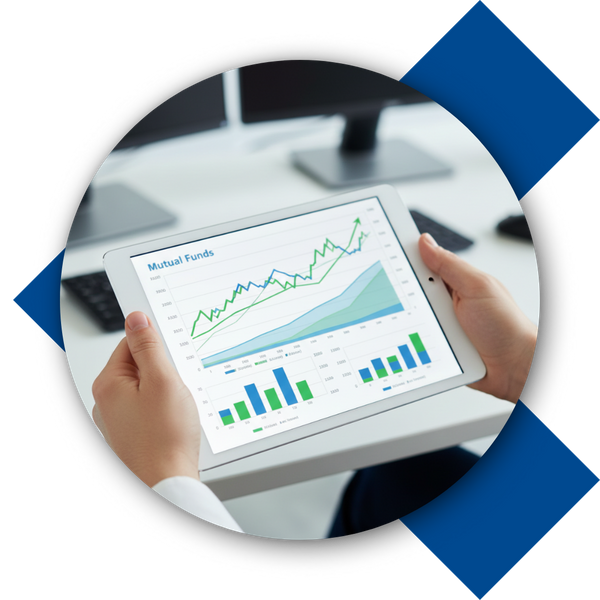
Mutual fund graph on a tablet

Consider Mutual Funds

Mutual funds combine many investments into one package. And using them can make diversification simpler without needing to pick individual stocks or bonds. You can find funds focused on particular sectors, international markets, or a mix of asset classes. Mutual funds also provide professional management for those who want guidance on investment selection.

Disclosure: International investing involves special risks such as currency fluctuation and political instability and may not be suitable for all investors.

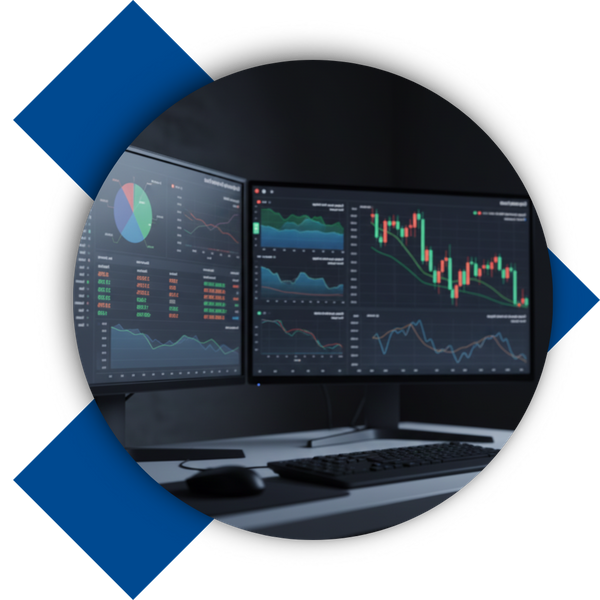
Watching stock market movement on computers

Retirement Accounts

Investing through IRAs or 401(k)s can make planning easier. And focusing part of your portfolio on retirement accounts may provide long-term advantages. Contributions to these accounts can grow over time while potentially benefiting from tax treatment. Using retirement accounts strategically may help you keep more of your money working toward future goals.

6 How to Manage a $500K Portfolio.png

Keep Cash Accessible

Holding cash or cash equivalents is not glamorous but it is practical. And having liquidity lets you respond to opportunities or unexpected needs. Keeping some cash available can reduce stress during market downturns and gives you flexibility for larger purchases or investments. A small percentage of your portfolio in cash can act as an emergency buffer.

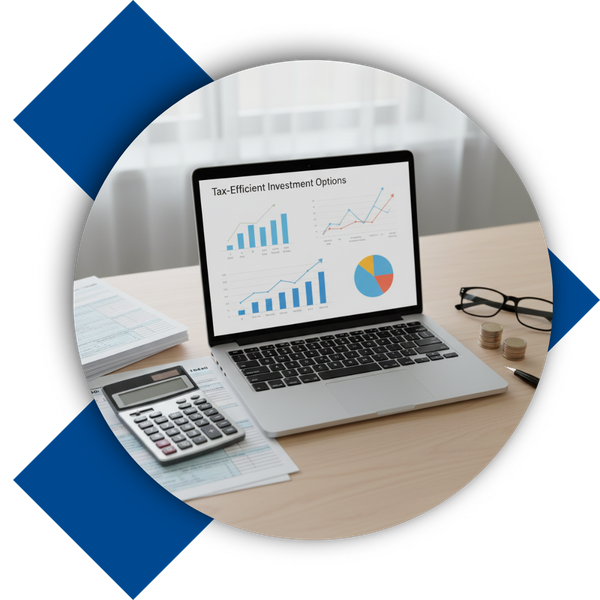
Tax-efficient investment graphs

Explore ETFs

Exchange-traded funds, or ETFs, trade like stocks but include multiple assets. They can give exposure to sectors, regions, or strategies without buying each asset individually. ETFs can be more cost-effective and flexible than some mutual funds. You can also use them to gain exposure to niche markets without taking on the risk of individual stock ownership.

Disclosure: Stock investing includes risks, including fluctuating prices and loss of principal.

A financial advisor reviewing a client’s portfolio on a tablet with charts and graphs

Think About Tax Efficiency

Some investments can be more tax-friendly than others. Keeping taxes in mind can help your portfolio grow in a practical, thoughtful way. Certain accounts or asset types may reduce taxable income or defer taxes on gains. Understanding tax implications can help you keep more of your portfolio’s growth over time.

Portfolios evolve. And revisiting allocations periodically lets you adapt to life changes, market shifts, or new goals. Even small adjustments can have a meaningful impact over time. Checking in on your investments helps ensure they still reflect your priorities and comfort with risk.

Disclosure: Asset allocation does not ensure a profit or protect against a loss.

Managing $500,000 is about balance, attention, and making small decisions add up over time. With guidance from Park Wealth Management in Los Angeles, you can approach your portfolio with clarity and confidence. Let’s keep your money working in ways that feel right for you. A thoughtful portfolio is not about perfection, but about momentum, and every step you take counts.